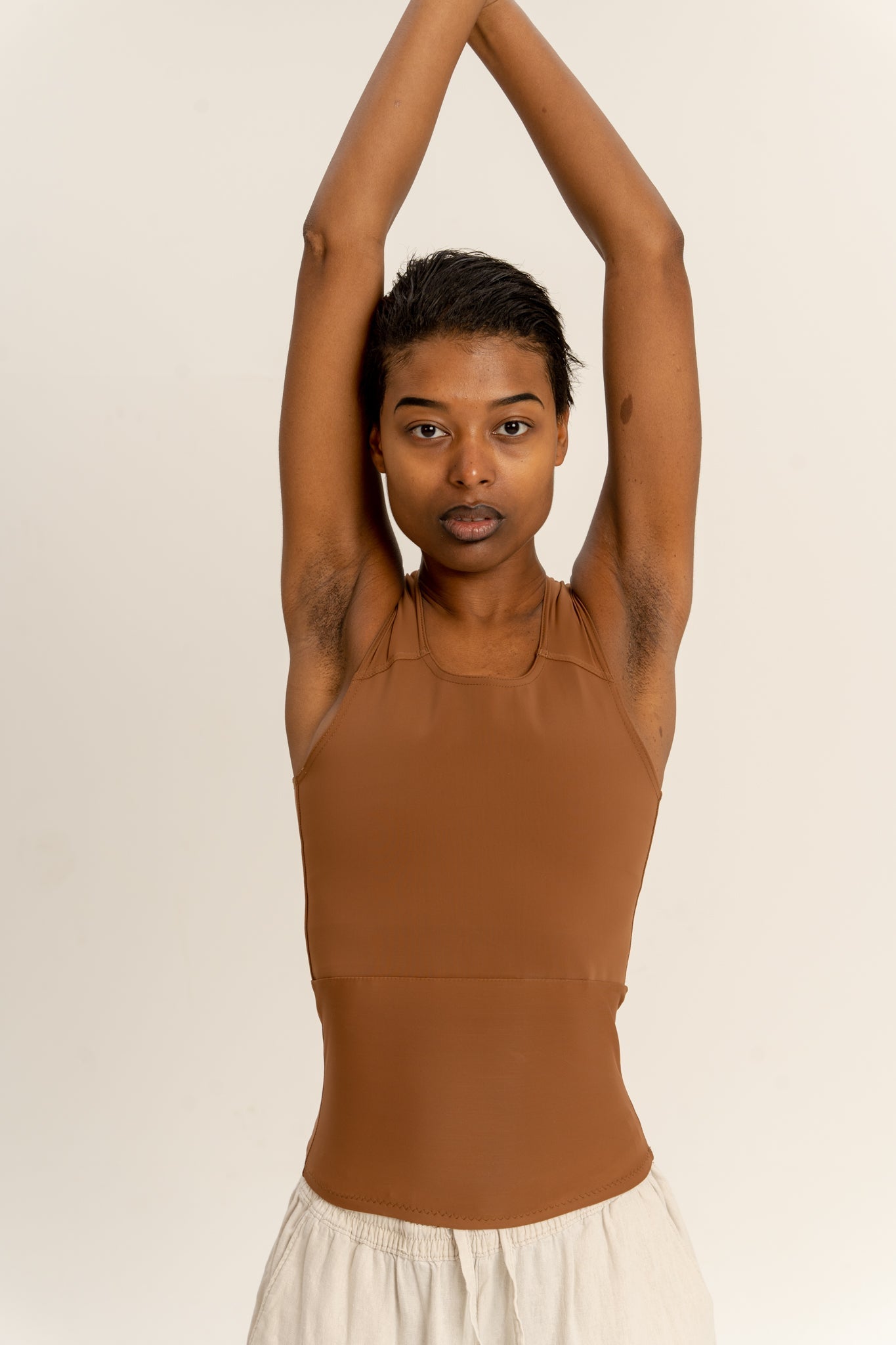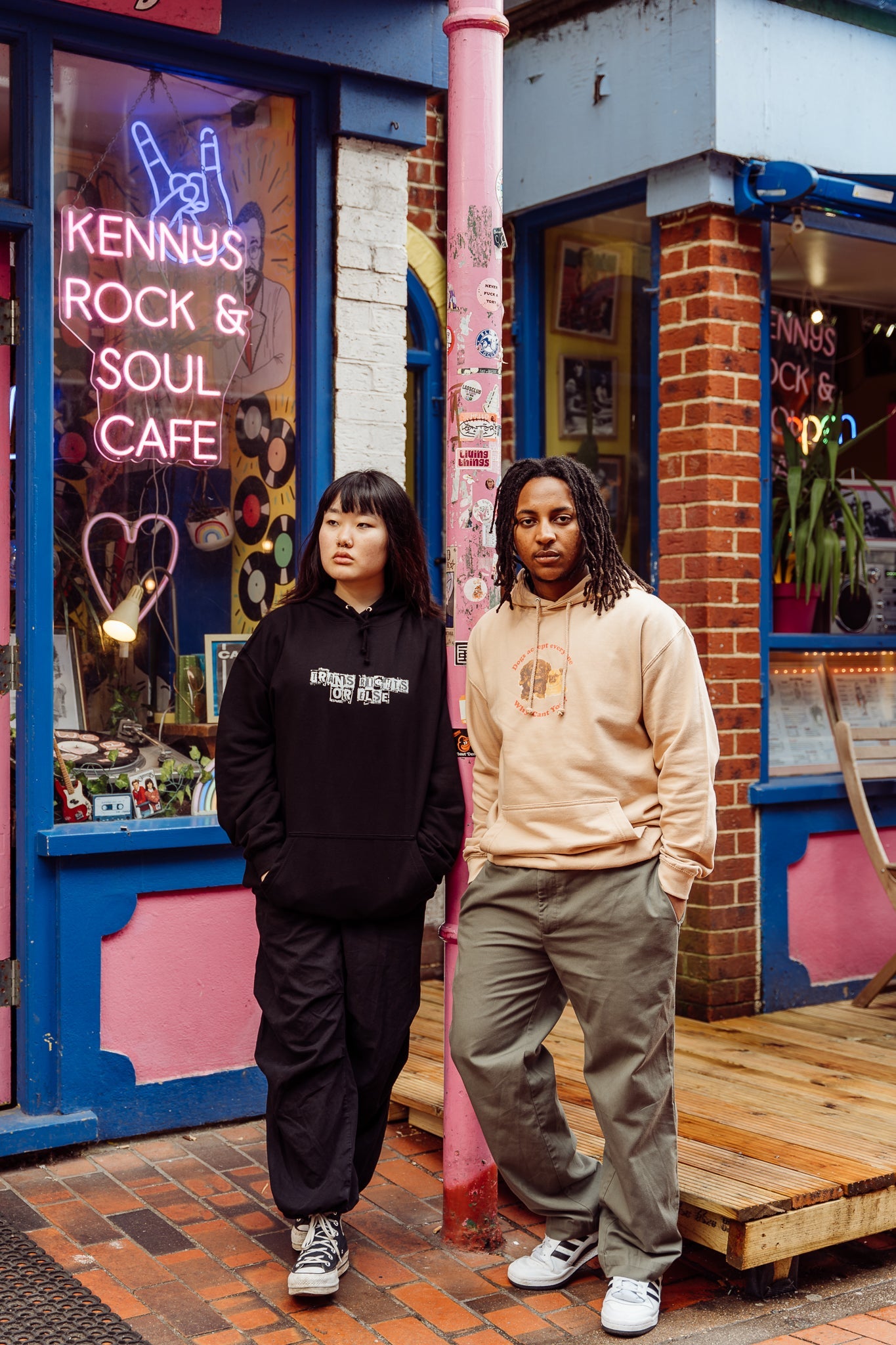

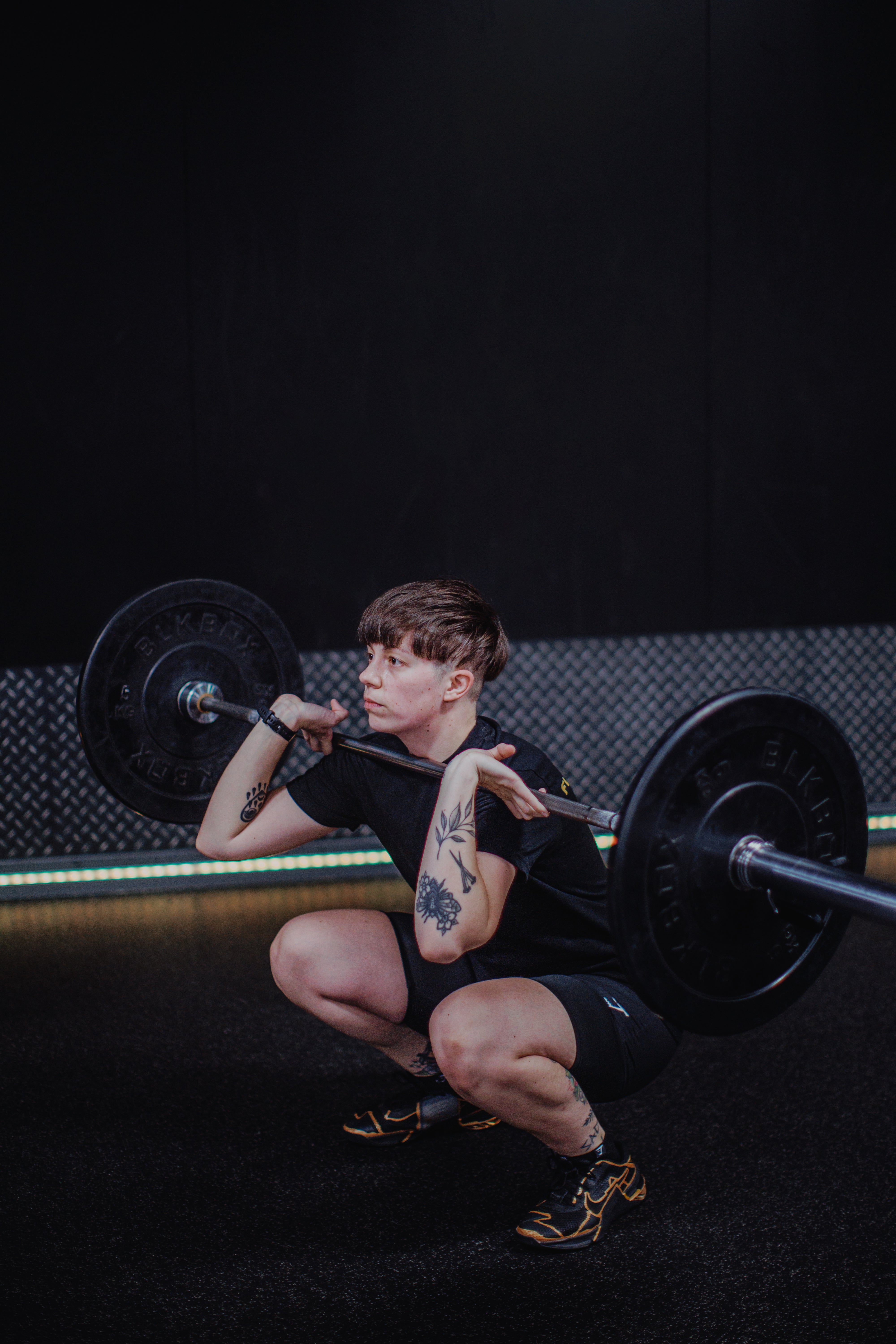
Meet Lucinda (they/them), a trans masc non-binary fitness and nutrition coach working to create a safe and encouraging space for LGBTQ+ fitness. The Spectrum Outfitters team recently visited Lucinda for a chat about their online fitness community, Fuzz Culture Club, and all things LGBTQ+ fitness. Here’s what they had to say…
What led you to create Fuzz Culture Club?
When I was growing up, I did quite a bit of sport. But when I got to about 14 or 15 years old, I started struggling with my identity, body image, and obviously a lot of undiagnosed gender dysphoria and neurodiversity.
I was going into these fitness spaces, but I felt so intimidated; I would find a lot of resources online, but they all felt like they were written for someone else. They didn't feel very accessible. I had had a really hard time navigating eating disorder recovery and getting into fitness in a way that felt comfortable for me.

I really noticed around that time that I lacked any sort of representation within the queer and trans community. I kept saying, “I just want someone that has gone through what I'm going through right now”. I just wanted that representation to exist, and it just didn't. And so, I backed away from everything. I would make every excuse in the book not to go swimming. I just completely backed away from doing exercise with other people.
It would have been really useful to have had someone to help me recognise that what I was feeling was normal. Instead, I felt myself fall away from any sort of fitness, especially in community spaces and in sports, and I really missed it.
I started Fuzz Culture Club back in 2021. I was given an opportunity where I lost all my work as a touring musician in the space of 10 minutes, when the first lockdown started was when I started building the online community, it’s what I wished for when I was younger.
What do you think are the biggest barriers to people in the community engaging with fitness? Why?
I think we have three main barriers when it comes to LGBTQ+ people accessing fitness:
1. Money.

Trans people earn 30 or 40% less day to day. [‘Even if transgender people have similar or higher education levels, cisgender people take home 32% higher wages.’ - Forbes, 2021].
When you're in a minority, your access to something that is considered a luxury (but shouldn't be) is going to be limited - less access to gyms, less gym options, less access to healthy food.
2. Lack of representation of queer and trans coaches.
We always want someone to relate to. We always want to see a ‘possibility person’. I was desperate to see a queer, trans, non-binary person that had struggled with their body and their relationship with food but had made it out the other end. Fitness can be incredible, but when you don't know that that exists, it's not going to feel accessible.
3. Safety.
The way things are in the world right now, the fear of perception as an outwardly LGBTQ+ person can be really terrifying – especially in a commercial gym on your own in a small town. We see so much hate online and we're worried that we'll go out in real life and see that in person; all it takes is someone to say something nasty or double take on someone going into a changing room, and that can put someone off fitness for life.
What needs to be done to reduce these barriers?

Things need to be done about access to food, exercise, health care, stable income, and stable housing before we can break down these barriers. I do think that the main change is systemic and really needs to improve on a high level.
What we can do on a smaller community level is make your business and your practice accessible. It's so easy to signify that you’re a safe space. On every single thing that I post from Fuzz Culture Club, you're always going to see the little non-binary runner 🏃➡️, weightlifter 🏋️, the pride flag 🏳️🌈, and a trans flag 🏳️⚧️, just emojis, and that's my way of showing that I'm a safe space.
What advice would you give to anyone who wants to workout but doesn’t know where to start or have the confidence?

Is there any specific advice you’d give to someone who is trans or non-binary?
Some tips I give for any trans and non-binary people that want to start working out, but don't have the confidence is start small. You don't have to go into the big commercial gym straight away. You can do so much at home. Don’t fall into that comparison trap. It's so easy to compare yourself to a million other people that might be years ahead of you.
Just start small, at home, and learn the basics and build confidence - we like to feel that we know what we're doing!
Does your work as a PT for trans and non-binary clients differ from working with a CIS person?

I have a lot of people that will want to build strength to prep for top surgery or have just recovered and need guidance to get back to fitness safely. I have people that are using fitness to help them with gender dysphoria or are using strength training to feel euphoric in their bodies while they’re waiting for gender affirming care.
I do a lot of that stuff, and that's all things that I wouldn't necessarily do with CIS or straight people.
There is some crossover that's definitely the same though, I think. If you look at people that are going to the gym to build a body that they feel at home in, I don't think CIS people are thinking about exercise as a form of gender affirming care.
What type of environment are you looking to create with your clients?

No matter how introverted or shy you are, or how self-conscious you feel, you need community. You crave it. And even though I work online, sometimes that's actually the most important thing.
It doesn't feel like you're walking into the gym for the first time. You know that you're coming into an accepting environment, but because it's remote, it's on your own terms.
When you belong to a community, you feel like you can do it. So, a huge part of what I do online isn't just the workout programming or the nutrition support, it's actually just making space for people to exist and just be who they are.
How has the overlap between neurodivergence and being LGBTQ+ informed how you run these sessions?
I felt like when I started Fuzz Culture Club, my online coaching business, I knew all the things that other online programs were lacking and didn't feel accessible for me. So, when I'm now coaching people, the way that I set up everything for them is with that all at heart – it’s never a one size fits all.
Having lots of different ways to give people the resources and the information that they need is so, so important.
What is the feedback like from your clients about having coaching specifically tailored to trans bodies?
Some of them said they had never seen that amount of queer and trans people in a fitness space, and all the messages I received on the back of the most recent event was all just about how amazing it felt to exist and do that in a space that felt safe.
What do you think about changes to legislation like Banning trans athletes from competition?

The changes to the legislation about banning trans athletes from sports is so detrimental and so frustrating, because we're talking about less than 1% of athletes, and none of them are actually an issue.
I think taking away that representation is so detrimental. If we think about someone like me that was born in 1991 - I didn't have that representation, and it was all that I craved. But if, as a 13-year-old, closeted, queer, trans kid, I had seen Nikki Hiltz, a non-binary person, having their pronouns respected by commentators, competing next to incredible athletes that hold the world record – that could’ve been life changing. That's they're taking that away.
Does that mean that young, budding trans athletes don't have a future in sport? Why not? Why do they have to have that taken away from them?
Obviously, the wider issue is that it's not just going to affect trans people, it’s also going to also affect CIS women. What they essentially want to do is do sex testing – that's trauma that they hold with them for the rest of their life.
I worry about what it's going to do for trans athletes, and the whole future of sport. I really hope something can change.